The Personal Memoirs of Ulysses S. Grant
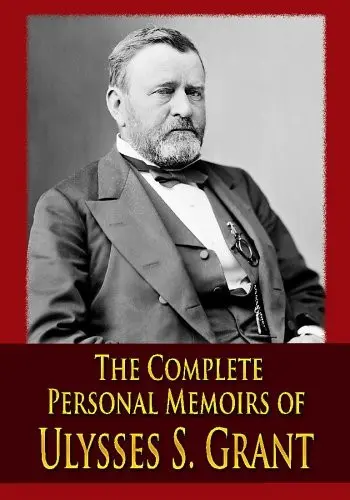
Grant wrote his memoirs in four months while dying of throat cancer, racing against death to provide for his family. The result is the greatest military memoir in American history: a clear-eyed, self-effacing, psychologically honest account of the Civil War by the man who won it. Mark Twain published it.
It ends at Appomattox, and “the war is all you get”: the eight years as president and the corruption scandals go almost unmentioned, leaving readers who wanted him to “write more about his personal life and presidency” disappointed. Readers without a standing interest in troop movements name the exact vocabulary that lost them, “garrisons and bivouacs, caissons, artillery, flanks, cavalry and dispatches,” and others simply “found the detailed recounting of Civil War battles a bit monotonous” or admit “for some reason reading about battles never interests me much.” “The maps provided lack way too many important locations.” He never addresses his drinking, and readers say “I would have liked to see him address the drinking issues.” A contemporary critic found “such a wealth of error, partiality, and special pleading.”
The case for it and the rest of the canon open with Pro.