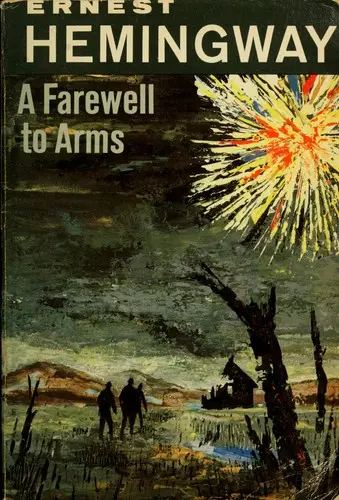
A Farewell to Arms
Decide its fate
The record
Time
An eveningA season332 pages, about 7 hours: about the length of a typical book on the shelf.
Getting in
Walk right inSteep climbOne reader calls the opening a slow starter but reports no trouble pacing through it.
What it gives
Plot and actionIdeas to live byIn 11 reviews from critics and book blogs, 2 credit the plot and 3 credit the ideas or a change in how they live.
One of a kind
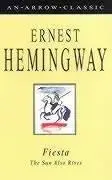
Others do thisNothing else doesHemingway’s own The Sun Also Rises, on the shelf at 249 pages, is the book two reviewers compare it to.
The case for it
on Frederic’s wounding
“the scene where Frederic was wounded always compels me”
a book blog on the futility of war
“the pervasive sense of loss and the futility of war”
a Substack review on the prose rhythm
“an idea Hemingway adapted from the counterpoint compositions of Johann Sebastian Bach”
a Substack review on the dialogue
“a key element is the relentlessly realistic dialogue”
a book blog
The case against
on Catherine and the length
“it could’ve been better if it was shorter and Catherine was more defined”
a book blog on Catherine’s name
“I’ve already forgotten her name”
one star · a book blog on the romance
“in love with the idea of being in love”
a book blog on the dialogue
“Dialogue that reminded me of conversations between young teens in their first love relationship.”
a book blog