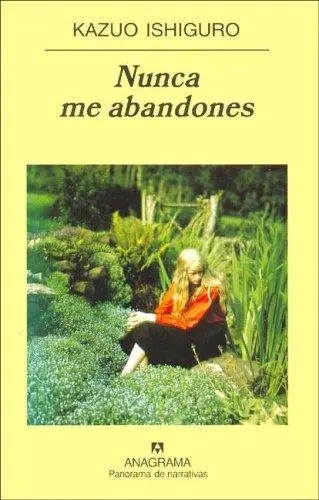
Never Let Me Go
Decide its fate
The record
Time
An eveningA season319 pages, about 6 hours: about the length of a typical book on the shelf.
Getting in
Walk right inSteep climbThree readers call the opening slow, one for its first 70 to 80 pages and another up to the halfway point.
What it gives
Plot and actionIdeas to live byIn 15 reviews from critics and book blogs, 5 credit the plot and 9 credit the ideas or a change in how they live.
One of a kind
Others do thisNothing else doesVisions of Brave New World and 1984, on the shelf at 240 and 328 pages, arise as Kath looks back, Kirkus writes.
The case for it
on the pacing
“I loved the pacing and the slow release of information.”
four stars · a book blog on Kathy’s voice
“Kath and Klara sound nothing like one another, and wholly like themselves.”
a book blog on the length
“At 288 pages, the paperback took two reading sessions over two days and flowed naturally.”
a book blog on the writing style
“There’s a calmness in it that I also feel in Sally Rooney’s writing.”
a Substack review
The case against
on Kathy’s narration
“it keeps the reader at arm’s length from the story and its narrator”
a book blog on the prose style
“it’s all This Happened then That Happened, I Was Happy, I Was Sad”
a book blog on the plot
“Some readers might find the plot twists a little predictable”
a book blog on the opening
“The only fault I find is the slow start”
a book blog