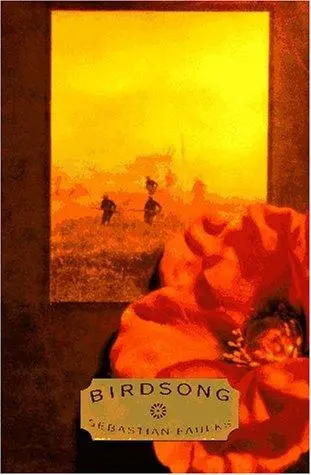
Birdsong
WWI and a love affair that haunts three generations. Stephen Wraysford and Isabelle Azaire's pre-war passion, and what the war makes of the man who loved her. Faulks is unsparing about what violence does to the capacity for love, which makes the love all the more necessary. The tunneling sequences are among the most devastating in modern war fiction.
Readers who love the war chapters still flinch at how the book gets there: the 1910 love affair between Stephen and Isabelle that opens the novel, and the 1970s framing following granddaughter Elizabeth, both draw complaints for feeling bolted onto material that works fine without them. Critics of the romance call the writing around physical intimacy overwrought, one mocking “pulsating members and curtains of flesh,” and several flag the tone of Isabelle's initial resistance as uncomfortable, one reviewer going further and calling the undertones “really rapey and misogynistic.” Others compare the whole book to “kind of Harlequin romance with a literary slant.” A widely circulated abridged audiobook trims a large share of the text, which one listener cites as proof the novel runs long, complaining flatly that “60% of the book was cut.”
The case for it and the rest of the canon open with Pro.