Gone with the Wind
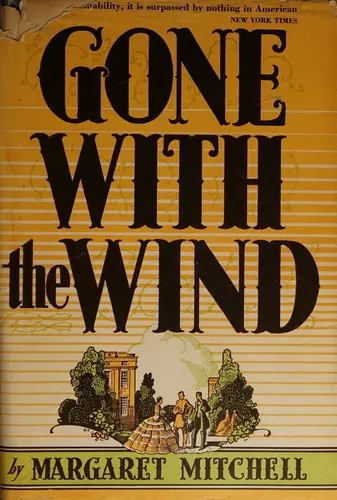
A Pulitzer Prize winner that has sold more copies than almost any novel in history. Whatever its moral complexities, the Scarlett-Rhett relationship is fiction's great combustion: two people too proud to love each other until it's too late. "After all, tomorrow is another day" lands differently when you've been on this journey.
The racism is the complaint that swallows every other one: readers call the depiction of slavery romanticized, and one flatly writes “It's the most racist book I've ever read.” Another goes further, calling it “God's nightie! A thousand-page love letter to slavery!” and a third sums up the whole thousand pages as “This book is the Confederate flag of literature.” Scarlett herself splits people who otherwise admire the craft: selfish, manipulative, and hard to root for across the war and Reconstruction, especially once she starts neglecting her own children for business and men. A chunk of readers stall around the opening chapters before the war reaches Atlanta and call the pacing slow and repetitive, with one admitting flatly, “I want my time back.” Others read the whole book as a Lost Cause apology dressed up as a family saga.
The case for it and the rest of the canon open with Pro.