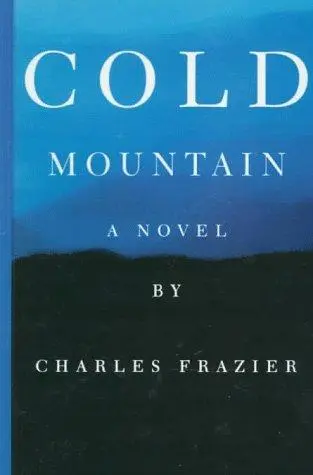
Cold Mountain
A 1997 National Book Award winner built on an impossible premise: a wounded Confederate soldier walking home across the devastated South to a woman he barely knows but loves with absolute certainty. Frazier writes in richly textured prose that honors both the country and the love. The ending is merciless and right.
A widely liked critical review sums up the sharpest complaint: the novel is “so intellectualized that it is hard to care about the characters,” with Frazier accused of showing off his prose more than telling a gripping story. Pacing draws constant complaint too; readers describe rationing the book a few pages at a time and nearly abandoning it, one admitting “i nearly plucked my own eyes from my skull in frustration.” Even sympathetic five-star readers flag Frazier's missing quotation marks as a real irritant. Critics call the alternating Inman and Ada chapter structure an old-fashioned device borrowed from nineteenth-century serial fiction and rate the book “A promising but overlong, uneven debut,” adding that Frazier “doesn't yet possess McCarthy's ferocious focus.” Some readers read an uncritical nostalgia for mountain folk wisdom running under the war story.
The case for it and the rest of the canon open with Pro.