The Dhammapada
Decide its fate
The record
Time
An eveningA season225 pages, about 4 hours: two-thirds the length of a typical book on the shelf.
Getting in
Walk right inSteep climbThe Twin Verses, the first chapter, contrast a corrupted mind that brings suffering with a peaceful mind that brings happiness.
What it gives
Plot and actionIdeas to live byIn 11 reviews from critics and book blogs, none credit the plot and 6 credit the ideas or a change in how they live.
One of a kind
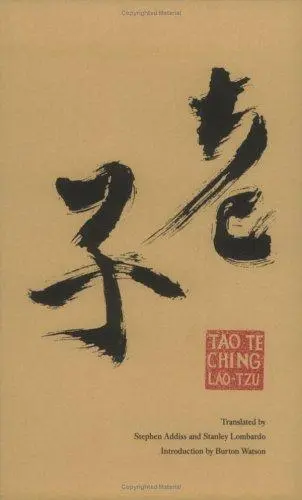
Others do thisNothing else doesOne reviewer compares it to the Tao Te Ching, on the shelf at 124 pages.
The case for it
on Easwaran’s translation
“His language is instantly absorbable and modern, yet not dumbed-down.”
a Substack review on the tone
“An insistent, yet gently repetitive rather than hectoring or grating tone eases these admonitions.”
a book blog on the chapter title
“I really like Fronsdal’s translation of the title as “Dichotomies””
a book blog on the simplicity
“Profundity lies in the simplicity.”
a book blog
The case against
on the repetition
“mostly variations of “do bad and you’ll be damned, do good and you’ll be blessed.””
a book blog on the arrangement
“The Dhammapada is also rather poorly arranged”
a book blog on the narrative drive
“you need narrative drive, character arcs, or anything resembling a story”
a book blog on the translations
“Most, however, seem to be either awkward and clumsy or airy and vague.”
a book blog