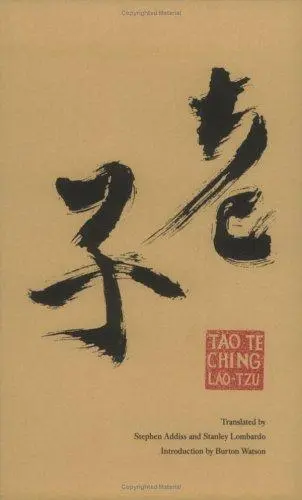
Tao Te Ching
Decide its fate
The record
Time
An eveningA season124 pages, about 2 hours: half the length of a typical book on the shelf.
Getting in
Walk right inSteep climbChapter 1 of 81 short numbered chapters says the Tao that can be named is not the eternal Tao.
What it gives
Plot and actionIdeas to live byIn 10 reviews from critics and book blogs, none credit the plot and 9 credit the ideas or a change in how they live.
One of a kind
Others do thisNothing else doesKelley Ross’s commentary compares it to the Bhagavad Gita, also on the shelf.
The case for it
on the length
“this little book some 102 pages is in my top 5”
a book blog on the commentary
“Rather, they are often every bit as engaging as the text they address.”
Gilbert Wesley Purdy · Eclectica Magazine, 2010 on verse 9
“sums up why I come back to the Tao Te Ching over and over”
a book blog on chapters 8 and 10
“Two of my favorite sections of the Tao Te Ching”
a book blog
The case against
on the text’s authenticity
“Mr. Giles, indeed, occasionally launched a shaft also at Julien and myself; but his main object in his article was to discredit the genuineness and authenticity of the Tao Te Ching itself. “The work,” he says, “is undoubtedly a forgery.””
James Legge · preface to The Texts of Taoism, 20 December 1890 on the translation label
“why would you want to read a loose English paraphrase”
an Amazon review on Mitchell’s credentials
“completely unqualified to release a version of the Tao Te Ching”
a book blog on Le Guin’s edition
“This is not then a scholarly edition, and no longer a guide for rulers”
Danny Yee · dannyreviews.com, 1997