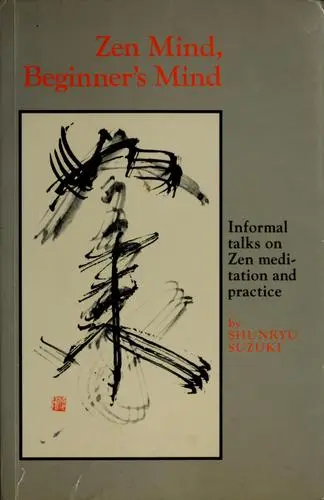
Zen Mind, Beginner's Mind
Decide its fate
The record
Time
An eveningA season146 pages, about 3 hours: half the length of a typical book on the shelf.
Getting in
Walk right inSteep climbTwo readers report early trouble: one found it hard to understand, the other could not stand much of a first reading aloud.
What it gives
Plot and actionIdeas to live byIn 13 reviews from critics and book blogs, none credit the plot and 12 credit the ideas or a change in how they live.
One of a kind
Others do thisNothing else doesTwo reviews set it beside Philip Kapleau’s The Three Pillars of Zen, and one puts Alan Watts’s The Way of Zen before it.
The case for it
on the chapters
“The chapters are concise and not the least bit arcane.”
five stars · a book blog on the posture talk
“He begins with the body and gives us something physical to do.”
David Chadwick · Inquiring Mind, 2008 on Suzuki’s style
“Suzuki taught in a simple, although suitably paradoxical style.”
Bodhipaksa · Wildmind, 2005 on the brevity
“Don’t let the brevity of this work dissuade you from checking it out.”
a book blog
The case against
on the title
“Despite the name, it is not a beginner’s book.”
a Substack review on the posture instructions
“To me, it’s as if he’s effectively reducing Zen to a hatha yoga level.”
four stars · a book blog on Suzuki’s English
“because he struggled with English, it is something of a rambling and twisty thing”
a Zen practice forum on the text
“The text is cryptic and unyielding.”
a community post on Patch