Walden
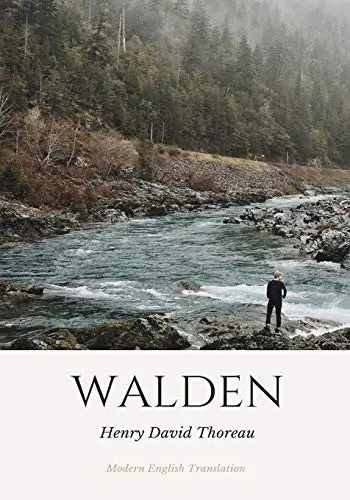
Walden defies category. A two-year experiment rendered as a philosophical essay in eighteen sections. The most important nature writing in the language, and the template for the "living-as-argument" essay tradition.
The self-sufficiency claim doesn't survive scrutiny: Thoreau lived under two miles from Concord on land borrowed from Emerson, ate food townspeople gave him, and heard the train whistle daily, which strikes readers as “Amish cosplaying and definitely not secluded.” The tone doesn't help either; more than one reader calls it “holier than thou,” especially in the Baker Farm chapter, where he lectures a struggling Irish family on living simpler than he does. The prose draws its own complaints, dense and archaic enough that a reader calls the whole experience “a fantastic cure for insomnia.” The bean-field accounting and the pond-depth chapter are the sections readers admit to skipping on a reread, and a persistent critical line holds that the book stays “as revered and unread as the Bible.”
The case for it and the rest of the canon open with Pro.