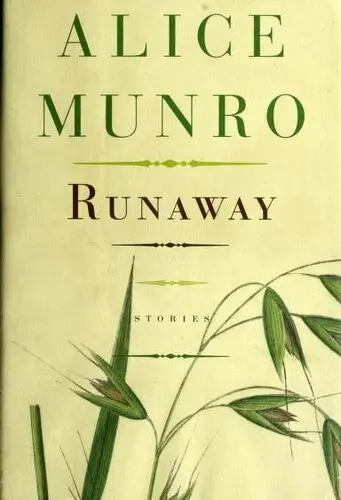
Runaway
Many critics consider this Munro's masterpiece. The stories are longer, more architecturally complex, with her time-loop technique at its most accomplished. The title story alone is worth the entire book.
The commonest complaint lands on tone: the collection has “a rather bleak, depressing quality” and almost nothing resolves into relief by a story's end. Powers, the closing novella, draws the sharpest backlash, built around what one reader calls “the ugliest abuse of friendship of this book” as a bond curdles into betrayal and self-deception. Juliet frustrates a chunk of readers across her three linked stories, read as passive, marked by a “failure to understand and respond to the needs of those around her,” especially her own daughter. Some readers push back on Munro's trademark indirection, arguing certain stories lean on withheld information and coincidences that feel arranged rather than earned. Soon and Silence get singled out as the weaker, more meandering entries in the Juliet trio, and a critic notes “Munro rarely gives us life at its best or worst,” which admirers read as the point and others read as the flaw.
The case for it and the rest of the canon open with Pro.