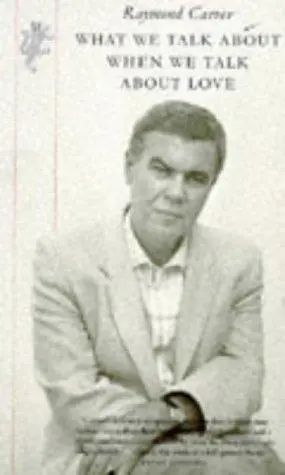
What We Talk About When We Talk About Love
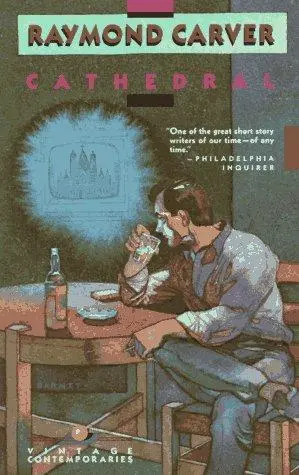
The Lish-edited Carver at its most extreme: stories stripped to their syntactic bones. Controversial (see Beginners, the unedited version) but enormously influential. The title story is a masterpiece of drunk philosophical despair.
The most common negative reaction: stories feel formless, and readers say they can't identify what happened or why the piece counts as a story, one admitting, “I didn't even get how that was a story.” Carver's habit of tagging dialogue with goes instead of said, and dropping quotation marks entirely, reads to some as affectation rather than spareness. Tell the Women We're Going draws specific backlash as dated and ugly in how it treats its women characters, named by more than one reviewer as the collection's low point. Readers who dislike the book describe the emotional register as monotonous, drinking, infidelity, and marital exhaustion story after story with little variation. A recurring low-rating complaint targets the endings: “Stories end with bad endings that lose their meaning,” which some experience less as ambiguity and more as the story simply stopping.
The case for it and the rest of the canon open with Pro.