The Last Book Shelf
Download

The Examined Life

"What does it mean to really pay attention?"

The books on this path share an obsession: the quality of attention itself. Dōgen watches water. Montaigne watches himself watching water. Thoreau goes to the woods to find out what's essential. Together they form a curriculum in noticing — which is to say, a curriculum in being alive.

8 books~42 weeksAccessible
1
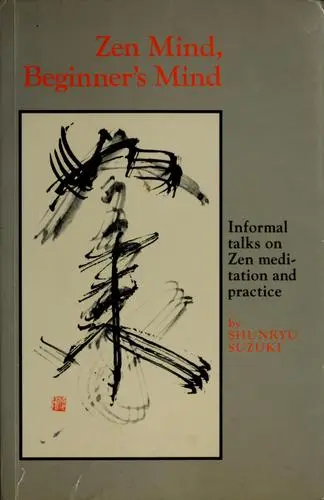
Zen Mind, Beginner's Mind
Shunryu Suzuki · 1970

'In the beginner's mind there are many possibilities, but in the expert's mind there are few.' Suzuki Roshi's talks at San Francisco Zen Center are the most accessible introduction to Zen practice in English. Not Zen as philosophy or aesthetics, but Zen as something you do with your legs crossed and your spine straight. No mystification, no cleverness. Just sit. The simplicity is the depth.

2
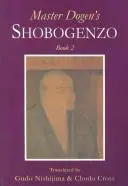
Shōbōgenzō
Shōbōgenzō
Eihei Dōgen · 1253

The most philosophically rigorous text in Zen Buddhism. Dōgen's masterwork dissolves every comfortable dualism: body and mind, practice and enlightenment, time and being. 'To study the self is to forget the self.' His treatment of being-time (Uji) is as sophisticated as anything in Heidegger, written seven centuries earlier. Difficult, demanding, and genuinely rewarding for anyone willing to sit with it.

3
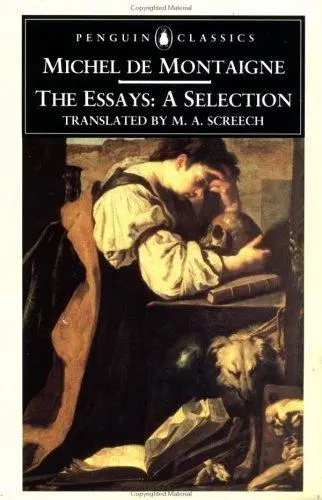
Essays
Essays
Michel de Montaigne · 1580

Montaigne invented the essay. "Essai" means an attempt, a trying-out. Everything after is downstream of this: the personal voice, the digression, the confession, the inconclusive conclusion. Reading Montaigne is reading the form discover itself.

4
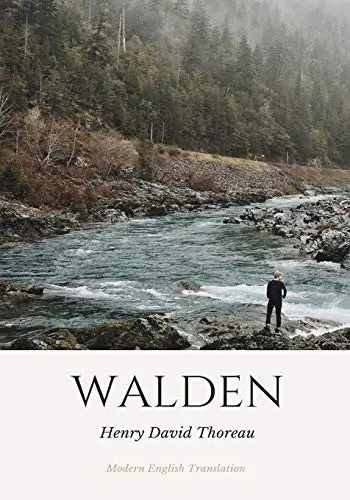
Walden
Walden
Henry David Thoreau · 1854

Walden defies category. A two-year experiment rendered as a philosophical essay in eighteen sections. The most important nature writing in the language, and the template for the "living-as-argument" essay tradition.

5
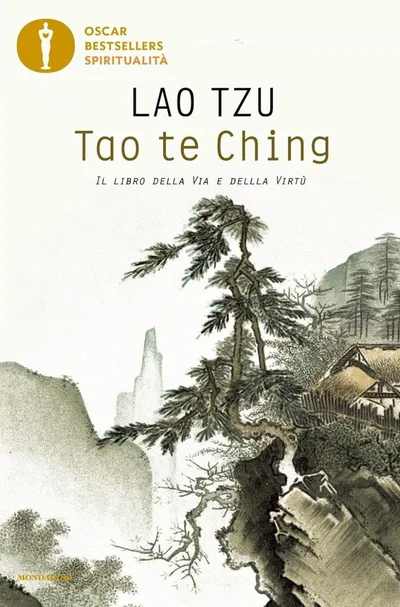
Tao Te Ching
Tao Te Ching
Laozi · 400 BCE

Eighty-one verses. Five thousand characters. The most translated book after the Bible. Laozi's paradoxes (the usefulness of emptiness, strength through yielding, knowing through unknowing) aren't riddles to solve but invitations to a different way of being. 'The Tao that can be told is not the eternal Tao.' Start there and see if you can stop.

6
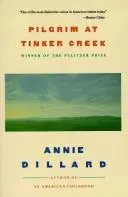
Pilgrim at Tinker Creek
Annie Dillard · 1974

Won the Pulitzer at 29. Dillard fused Thoreau's close attention with a 20th century sensibility: violent, mystical, ecstatic. The account of the frog being sucked dry by a giant water bug is the most quoted passage in American nature writing.

7
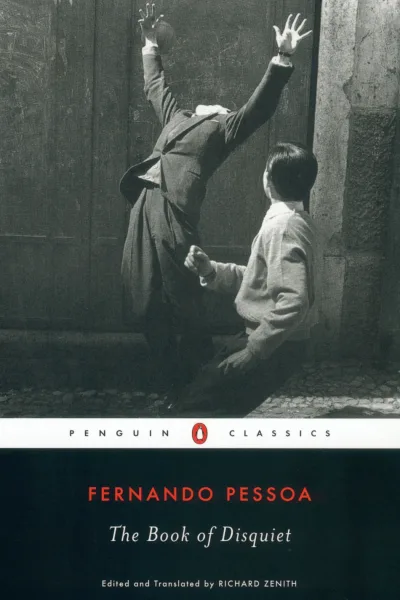
The Book of Disquiet
Fernando Pessoa · 1982

Not a conventional novel. A fragment-diary of a fictional heteronym (Bernardo Soares), assembled from thousands of scraps found in a trunk after Pessoa's death in 1935. Published in 1982. A meditation on consciousness, anonymity, and the beauty of things never done. There is nothing else like it in world literature.

8
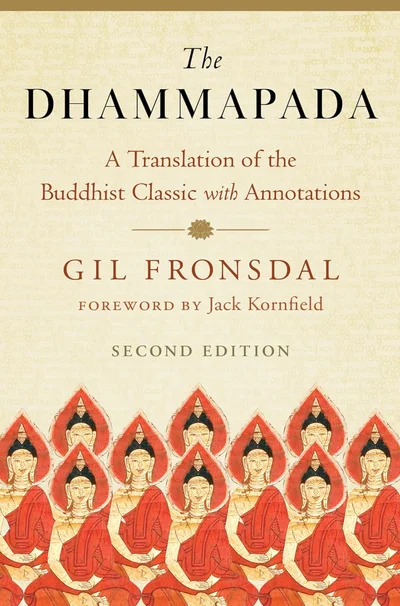
The Dhammapada
The Dhammapada
Traditional (attributed to the Buddha) · 300 BCE

The most accessible entry point to Buddhist philosophy: 423 verses on suffering, impermanence, mindfulness, and the path to liberation. 'All that we are is the result of what we have thought.' Direct, pithy, ruthlessly practical. Not theology but psychology; the mind is the problem and the mind is the solution. Twenty-five centuries of meditation practice compressed into a single volume.

Unlock Reading Paths
This feature is available with Last Book Shelf Pro
Back to Home