The Last Book Shelf
Download

The Laugh at the Edge of the Void

"What is left to do but laugh, once you've seen how little holds the world together?"

Comedy is what's left when the universe stops answering. Beckett's tramps wait for nobody and fill the silence with vaudeville; Bulgakov sends the devil to Moscow as a stand-up act; Vonnegut watches the world freeze over and shrugs out a religion built on harmless lies. The line runs from Don Quixote tilting at windmills to Paul Beatty putting a Black man on trial for reinstating slavery, and every stop on it knows the same secret: the joke and the abyss share a border. These books don't soften the void. They get it to grin back.

9 books~33 weeksDemanding
1
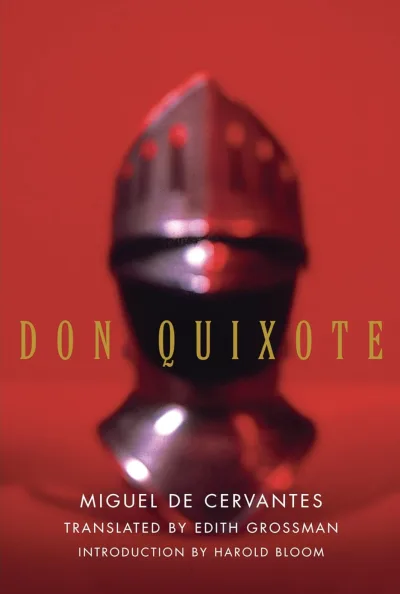
Don Quixote
Don Quixote
Miguel de Cervantes · 1605

The first modern novel, published in 1605, and still the most influential work of fiction ever written. Cervantes invented the self-aware narrator, the unreliable protagonist, and fiction that comments on its own fictionality. Every novelist since has been working in his shadow. Bloom placed it at the center of Western literature, second only to Shakespeare.

2
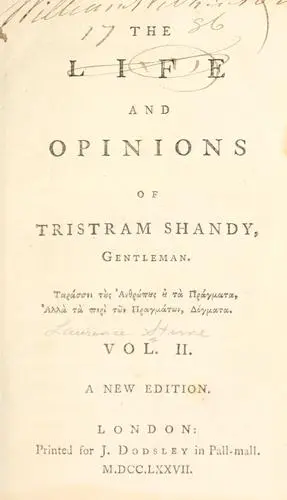
The Life and Opinions of Tristram Shandy, Gentleman
Laurence Sterne · 1759

Sterne deconstructed the novel before the novel even existed as a stable form, in 1759. The narrator cannot tell his story in order. The digressions are the point. Blank pages, black pages, marbled pages serve as metafictional provocations. Borges, Calvino, David Foster Wallace: every postmodern novelist descends from Sterne.

3
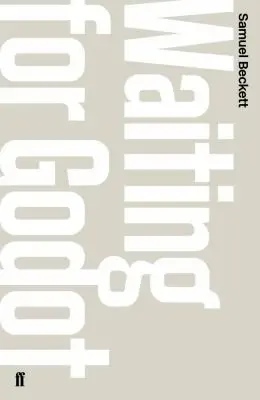
Waiting for Godot
Waiting for Godot
Samuel Beckett · 1953

Two tramps wait by a tree for someone who never arrives. Nothing happens, twice. Beckett stripped theater down to its skeleton and found something funny and terrifying underneath. The play baffled audiences in 1953 and still gets performed constantly, which tells you everything.

4
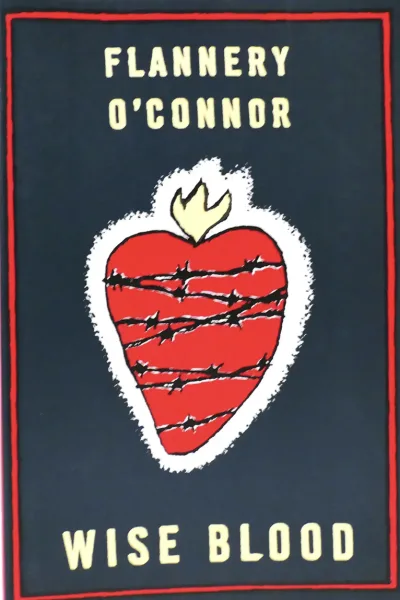
Wise Blood
Wise Blood
Flannery O'Connor · 1952

Hazel Motes founds the Church Without Christ in the American South. O'Connor's 1952 debut is grotesque, hilarious, and haunted by a God who will not leave people alone. Her Catholicism is violent and strange, nothing like comfort. The prose has teeth.

5
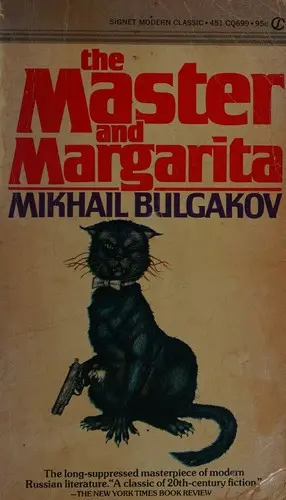
The Master and Margarita
Mikhail Bulgakov · 1930

The Devil visits Stalin-era Moscow and chaos ensues. Bulgakov wrote it knowing it could never be published in his lifetime; the manuscript was completed around 1940, not published until 1966. The satire is savage, the love story is transcendent, and the magical realism is total.

6
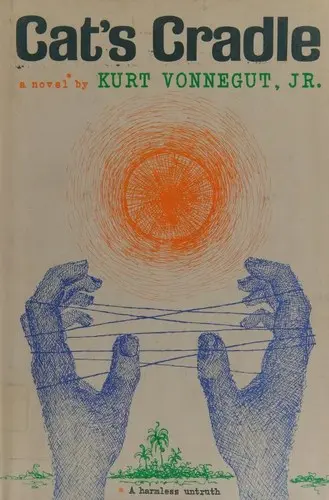
Cat's Cradle
Cat's Cradle
Kurt Vonnegut · 1963

Ice-nine, Bokononism, and the bomb. Vonnegut's darkest comedy concerns the end of the world, the comfort of lies, and the absurdity of science without conscience. His invention of Bokononism (a religion built on comforting lies called foma) ranks among fiction's great satirical achievements.

7
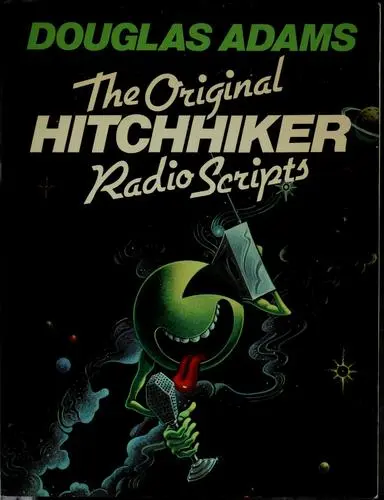
The Hitchhiker's Guide to the Galaxy
Douglas Adams · 1979

The funniest book in speculative fiction, and for millions of readers, their first SF novel. Adams proved the genre could sustain pure comedy while remaining genuinely philosophical about existence, bureaucracy, and the number 42.

8
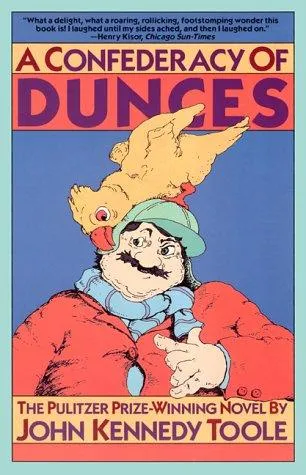
A Confederacy of Dunces
John Kennedy Toole · 1980

A posthumous comic masterpiece, rejected by every publisher in Toole's lifetime and pushed into print only by his mother's decade-long crusade, then awarded the 1981 Pulitzer Prize for Fiction. Its hero, Ignatius J. Reilly, is one of the great grotesques of American literature: a medieval-minded, valve-obsessed glutton railing against the twentieth century from his mother's house in New Orleans. Walker Percy, who wrote the foreword, called it a gargantuan tumultuous human tragicomedy and confessed he kept expecting it to fall apart and it never did. The book endures as the definitive novel of the city, equal parts Rabelais, Don Quixote, and the failed crank as holy fool.

9
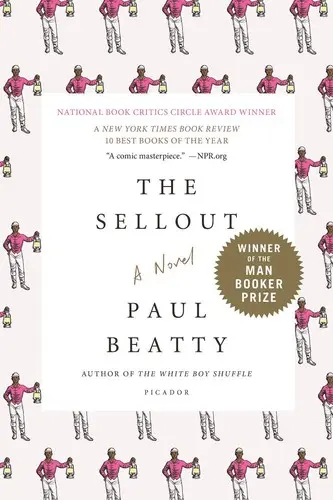
The Sellout
The Sellout
Paul Beatty · 2015

A Black man from a fictional Los Angeles neighborhood attempts to reinstate slavery and segregation. Beatty's satire is the most ferocious comic novel of the decade; it won the 2016 Man Booker Prize and proved that American racial absurdity requires absurdist literature.

Unlock Reading Paths
This feature is available with Last Book Shelf Pro
Back to Home