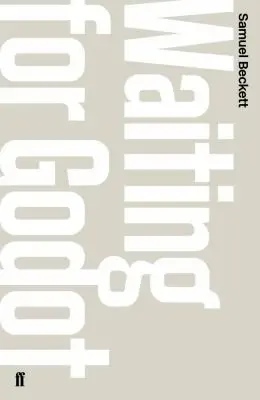
Waiting for Godot
Two tramps wait by a tree for someone who never arrives. Nothing happens, twice. Beckett stripped theater down to its skeleton and found something funny and terrifying underneath. The play baffled audiences in 1953 and still gets performed constantly, which tells you everything.
Waiting for Godot is a script written for the stage, and reading it on the page strips out the silences and timing that carry a lot of the actual comedy, so the printed text undersells what a live production delivers. One unconvinced reader calls the experience “excruciating to read; it is completely awful in parts and frustrating” rather than simply cool and detached. Another sums up the whole encounter flatly: “I don’t really like Godot nor enjoy it,” and a third concedes the reputation while opting out anyway, admitting “I honestly don’t think I could sit through a production of this.” Lucky’s monologue is exactly where some readers say the page loses them, a dense block of academic-sounding nonsense with no throughline to hold onto, against the readers who call it a virtuoso set piece. One reviewer had already conceded the argument upfront, writing plainly, “Plays are written to be watched, not read.”
The case for it and the rest of the canon open with Pro.