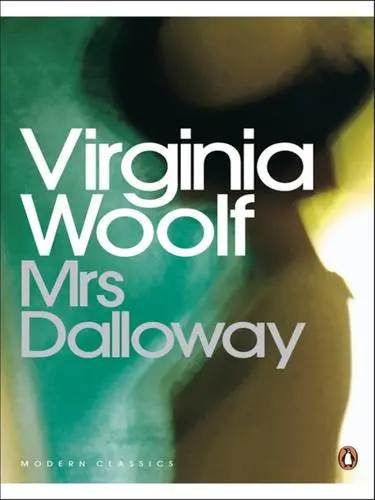
Mrs Dalloway
Decide its fate
The record
Time
An eveningA season224 pages, about 4 hours: two-thirds the length of a typical book on the shelf.
Getting in
Walk right inSteep climbTwo readers report stalling in the first chapters or hundred pages before the stream-of-consciousness style clicks for them.
One of a kind
Others do thisNothing else doesWoolf’s To the Lighthouse, on the shelf at 242 pages, comes up beside it in a Substack post and a blog comment.
The case for it
on one line of prose
“Then in Mrs. Dalloway I found just what I wish I could have found for myself. Take just this one line: ‘Outside the trees dragged their leaves like nets through the depths of the air.’”
Unsigned review · The Queen, 1925 on the narration
“Woolf is so good at locating the reader on the inside not the outside.”
Jeanette Winterson · Substack (Jeanette Winterson: Mind Over Matter), 2025 on Septimus Warren Smith
“Septimus Warren Smith was the only character I truly loved.”
three stars · a book blog on Lucrezia’s logic
“Lucrezia was my favorite character only because she was the most logical person to me.”
two stars · a book blog
The case against
on the Septimus subplot
“As it is, some of the minor characters take far too much room. Septimus Warren Smith, the wretched neurotic, is a huge piece of irrelevance.”
Unsigned review · Time and Tide, 1925 on the first chapters
“The first few chapters made me feel illiterate and stupid”
a Substack review on the perspective shifts
“I found myself lost between pages never quite understanding how I had shifted”
a Substack review on the characters
“characters feel like silk scarves I can’t quite grasp before they float to the floor?”
a Substack review