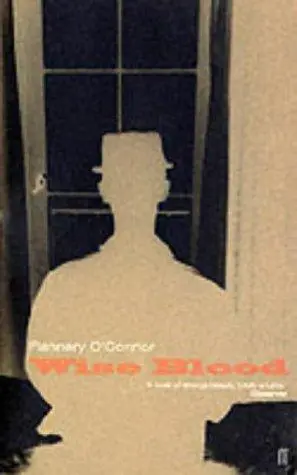
Wise Blood
Hazel Motes founds the Church Without Christ in the American South. O'Connor's 1952 debut is grotesque, hilarious, and haunted by a God who will not leave people alone. Her Catholicism is violent and strange, nothing like comfort. The prose has teeth.
Once the camera widens past Hazel to the supporting cast the middle sags, and one critic marks the point where the book goes numb at around page 150. Hazel stays “a cardboard cutout waiting to be bowled over” for readers who need a person rather than a position, so his crisis of belief never lands. The allegory is spelled out until conviction versus emptiness reads as a thesis. Enoch’s subplot starts strong and gets dropped. Hazel and the blind preacher’s teenage daughter is the material readers find hardest to sit with. What remains is “horrible people being rather horrible to each other,” and readers who “couldn’t find it in myself to like them” leave calling the debut “a fascinating sketch.”
The case for it and the rest of the canon open with Pro.