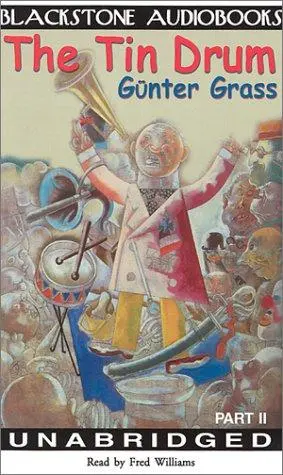
The Tin Drum
Oskar Matzerath decides at age three to stop growing. Grass used this conceit and magical realism to write about the rise of Nazism from inside the German experience, with grotesque humor, savage irony, and deep moral seriousness. Published in 1959, it catalyzed the German literary reckoning with fascism. The Nobel committee took note.
Six hundred pages of accumulating grotesquerie, and readers report "long, long sections that made no sense," with the middle stretch repeating rather than escalating. The eel-cleaning scene turns stomachs even among admirers. Worse, Oskar's fixation on a neighborhood nurse and the book's "scenes of bizarre and underage sex" sit largely undiscussed in the reviews, which is its own tell. "It's a confusing novel. There are so many characters!" one reader complains, reaching for outside guides to track them. And the fantastic elements never anchor: "There's not enough realism to make the magic interesting." One survivor's verdict for the rest: "You've slogged through it so we don't have to."
The case for it and the rest of the canon open with Pro.