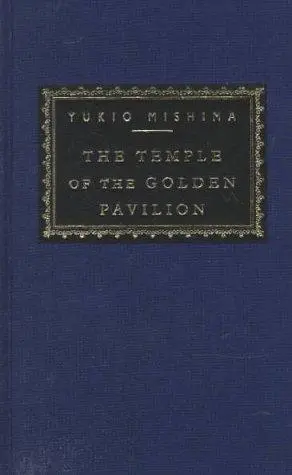
The Temple of the Golden Pavilion
Based on the real 1950 burning of Kyoto's Kinkaku-ji, Mishima's novel examines beauty, obsession, and the desire to destroy what is most perfect. His prose is baroque and hypnotic. Published in 1956, it remains his most frequently cited work and a strong argument for calling him Japan's greatest 20th-century novelist.
Two hundred and fifty pages inside a man who circles his own grievance without moving, and the monologues about beauty, evil, and time are exactly where readers report the book stalling, free association standing in for movement. His decisive turn near the end arrives under-explained, so readers finish unsure why he lands where he does. The Zen-inflected philosophical register goes opaque without background, one reader admitting plainly, "no, I don't understand it either." Women exist as objects of his fear or failed desire. And sympathy runs out early for readers who find "the actions of Mizoguchi where just far too self-centered and disrespectful" toward what the temple means to everyone else.
The case for it and the rest of the canon open with Pro.