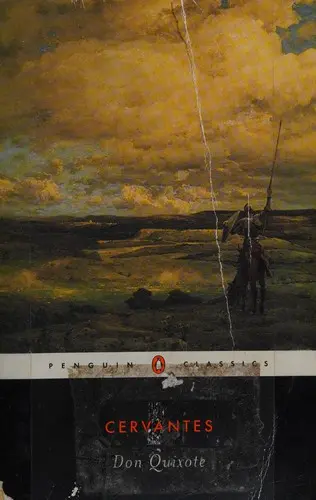
Don Quixote
Decide its fate
The record
Time
An eveningA season940 pages, about 19 hours: the length of 2.9 typical books on the shelf.
Getting in
Walk right inSteep climbOne reader nearly quit at page 70, right after the windmill scene, and two more abandoned the book.
What it gives
Plot and actionIdeas to live byIn 13 reviews from critics and book blogs, 4 credit the plot and 7 credit the ideas or a change in how they live.
One of a kind
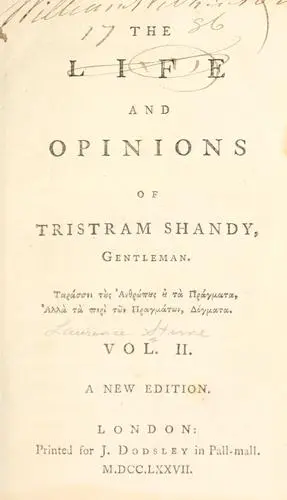
Others do thisNothing else doesTristram Shandy, on the shelf at 526 pages, echoes it with a Quixote-like character and a horse named after Rocinante.
The case for it
on Sancho Panza
“Sancho Panza is awesome. He was by far my favorite character.”
five stars · a book blog on the vomiting scene
“That whole scene when Sancho and Don Quixote puke all over each other.”
a book blog on the comfort it gave
“It was a refuge. Its characters became my close kin.”
Carden Willis · Henry County Local, 2024 on the writing style
“It’s a fun, witty novel and I liked the writing style a lot.”
a book blog
The case against
on Don Quixote’s character
“Don Quixote seems insanely annoying, dangerous to himself and others, and just plain nuts”
a book blog on the length
“the book could have the same impact and be about 500 pages shorter”
four stars · a book blog on the book inspection
“There’s a long and boring section where they go through Don Quixote’s books”
a book blog on the translation
“the result can sometimes feel disjointed and ignorant of Cervantes’ dry sarcasm”
Kirkus Reviews, 2012