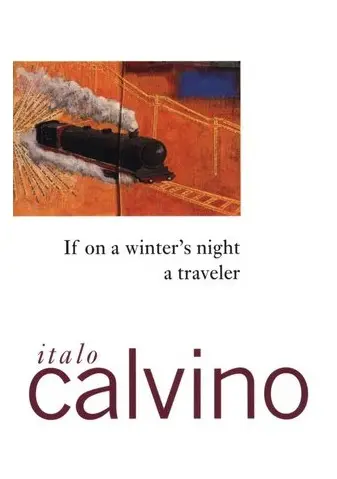
If on a winter's night a traveler
Addressed directly to "you, the Reader," Calvino's 1979 novel begins ten different novels and completes none of them, making the experience of reading itself the subject. The game is also a love story and a philosophy of fiction. The most playful postmodern masterwork. Unique and irreplaceable.
Ten times a story gets interesting and ten times it is taken away, which readers experience as a trick rather than a form: "all this NONSENSE kept happening I would get violent," one reports. The second-person address strikes others as a device that arrived pre-aged, "old hat at this point," and presumptuous besides, assigning "you" reactions Calvino never earned. The female lead is "actually called The Other Reader for crying out loud," defined by her relation to the man. Readers lose the thread as every chapter resets cast, setting, and genre. And the postmodern apparatus reads to some as an alibi for never finishing anything: "It's all very post-modern (blegh)."
The case for it and the rest of the canon open with Pro.