Pride and Prejudice
Decide its fate
The record
Time
An eveningA season351 pages, about 7 hours: about the length of a typical book on the shelf.
Getting in
Walk right inSteep climbMr. Darcy insults Elizabeth at a dance in the book’s opening chapters.
What it gives
Plot and actionIdeas to live byIn 10 reviews from critics and book blogs, 2 credit the plot and 4 credit the ideas or a change in how they live.
One of a kind
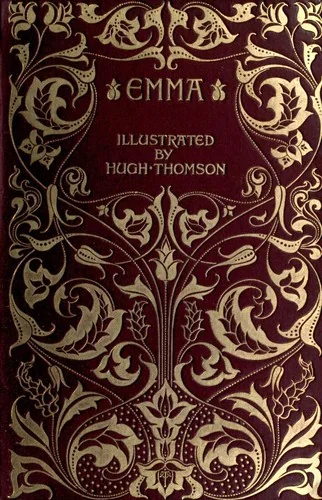
Others do thisNothing else doesA reader recommends Emma, 457 pages, over Pride and Prejudice for more interesting, mature relationships.
The case for it
on ordinary life
“That young lady had a talent for describing the involvements and feelings and characters of ordinary life, which is to me the most wonderful I ever met with. The Big Bow-wow strain I can do myself like any now going; but the exquisite touch, which renders ordinary commonplace things and characters interesting, from the truth of the description and the sentiment, is denied to me.”
Sir Walter Scott · journal entry, 14 March 1826 on the minor characters
“the most minor characters are portrayed with just the right amount of detail and personality.”
a book blog on the narration
“her striding mastery of the free indirect mode.”
Helen Garner · Literary Hub, 2016 on the piano scene
“like when Darcy and Elizabeth share a look over the piano at Pemberley.”
five stars · a book blog
The case against
on the confined setting
“An accurate daguerreotyped portrait of a commonplace face; a carefully fenced, highly cultivated garden, with neat borders and delicate flowers; but no glance of a bright, vivid physiognomy, no open country, no fresh air, no blue hill, no bonny beck. I should hardly like to live with her ladies and gentlemen, in their elegant but confined houses.”
Charlotte Brontë · letter to G. H. Lewes, 12 January 1848 on the reading time
“it took me TWO MONTHS to read this damn book.”
a book blog on the characters
“Remembering the characters alone is daunting. Remembering their interactions is almost impossible.”
a Substack review on the prose style
“I’m not blown away by descriptions or the poetry of the language”
a book blog