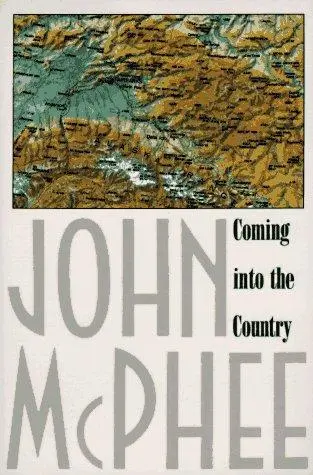
Coming into the Country
Three long essays about Alaska that constitute McPhee's masterpiece. The wild, the frontier, the bush. The model for place-based literary journalism.
The middle section, following a committee flying around Alaska hunting a new state capital, is the section almost every critical reviewer names as the slow patch, and with Juneau having stayed the capital all along, it now argues a fight that never happened. Length is its own complaint: at 438 pages, readers call it “much much much too long”, and one says it “could easily have been a hundred pages trimmed”. McPhee’s long runs of subject quotation wear on some readers too, one flatly stating “McPhee’s writing style wears thin”. Even the celebrated Eagle section draws its own complaint: the character sketches “became monotonous and overly repetitive” by the end. The book stitches together three separate pieces of reporting rather than one throughline, and readers expecting the geology-book McPhee of Basin and Range find people and politics instead.
The case for it and the rest of the canon open with Pro.