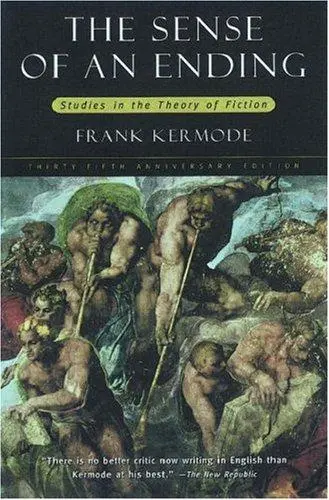
The Sense of an Ending
The most important work of literary theory to read like an essay. Kermode argues that narrative endings provide the fictions we need to make sense of time. A genuine contribution to aesthetics written with elegant lucidity.
These started as spoken lectures, and the density shows: hostile readers call the prose “virtually unintelligible obscurantism,” accusing Kermode of dropping names and citations to perform erudition rather than build a case a reader can follow. The book assumes deep prior familiarity with the Bible, Shakespeare, and the modernist canon, and without that background whole stretches go over a reader’s head. One reviewer sums up the frustration bluntly: “qualities that I hate most about literary theory,” all present at once. Only a couple of the six lectures engage the stated apocalypse thesis directly, and the rest drift into tangents some readers say feel loosely tied to the topic, one complaining the actual argument “ends being so damn buried under everything else.” The Macbeth chapter alone gets credited as worth the trouble by even the harshest reviewers.
The case for it and the rest of the canon open with Pro.