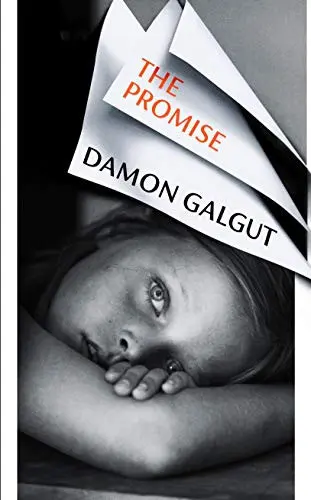
The Promise
A white South African family and the promise made to their Black servant. Galgut structures this novel around four deaths across three decades; each section's narrative voice shifts, blurs, and unsettles with formal precision. A novel about the promises a country makes and breaks.
The same drifting narrator that fans praise reads as condescending to detractors, one mocking a passage where “furniture always looks so innocent.” There are no quotation marks anywhere, and the narrator shifts between first, second, and third person without warning, so some readers lose track of who is speaking. Several readers find the Swart family unlikeable past engagement, people they never wanted to sit with; a critic concedes the cast reads as “a combination of caricature and depth,” which cuts both ways. The novel’s core symbolism, family funerals landing on national political milestones, strikes some readers as too neat rather than organic. The narrator’s habit of addressing the reader directly draws its own charge of “cutesy meta self-references.” Salome, the housekeeper the title promise is made to, stays almost silent throughout, which some read as the book failing to give its Black characters real interior life.
The case for it and the rest of the canon open with Pro.