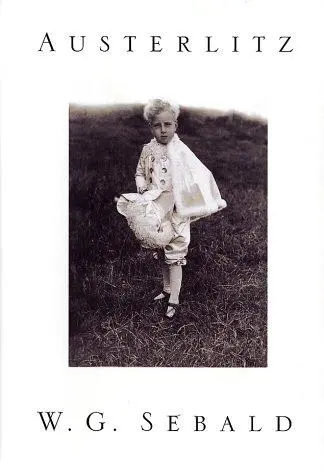
Austerlitz
W.G. Sebald · 2001
Jacques Austerlitz, an architectural historian, gradually discovers he was one of the Kindertransport children sent from Prague to Wales in 1939. Sebald's final novel (he died months after publication in 2001) is written in long, unbroken paragraphs that move like memory itself. The prose enacts the experience of repression and recovery. Susan Sontag called him the most important German writer since Thomas Mann.
Literary Fiction · the Pro canon
The case for it and the rest of the canon open with Pro.
if this one calls to you, so will these →