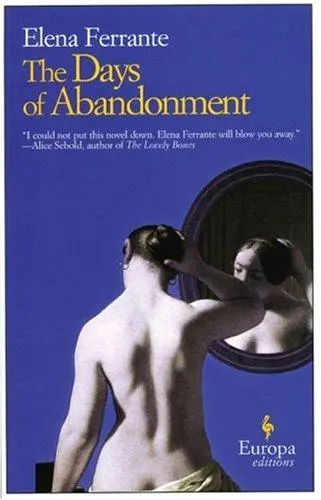
The Days of Abandonment
Elena Ferrante · 2002
A woman's husband leaves her and she disintegrates. That sentence is the whole novel and it is not enough. Ferrante published it in 2002 (in Italian; English translation 2005) and wrote abandonment with a ferocity that makes most domestic fiction feel polite. The locked-apartment sequence, where the protagonist is trapped with her sick children and a dying dog, is among the most harrowing chapters in contemporary fiction.
Literary Fiction · the Pro canon
The case for it and the rest of the canon open with Pro.
if this one calls to you, so will these →