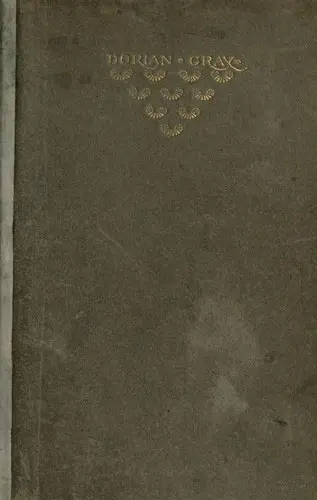
The Picture of Dorian Gray
Decide its fate
The record
Time
An eveningA season246 pages, about 5 hours: three-quarters the length of a typical book on the shelf.
Getting in
Walk right inSteep climbOne review calls the first few chapters, heavy with Lord Henry’s dialogue, a struggle.
One of a kind
Others do thisNothing else doesOne review likens the book’s mood to The Great Gatsby, on the shelf at 180 pages.
The case for it
on Lord Henry’s dialogue
“the sharp, witty dialogue, mostly coming from Lord Henry”
four stars · a book blog on Dorian’s best friend
“I specifically loved Dorian’s controversial but beloved best friend, Lord Henry.”
a Substack review on Dorian’s corruption
“Dorian becomes a man who taints all who come in contact with him”
a book blog on Lord Henry Wotton
“Lord Henry Wotton, who has an unconventional and controversial view of life”
a book blog
The case against
on Lord Henry’s talk
“I would have to sit through a few pages of Lord Henry spouting more nonsense.”
a book blog on Lord Henry Wotton
“The biggest talker is side character Lord Henry Wotton, who likes to go around pontificating”
a book blog on the editing
“Beautiful descriptions, beautiful quips, next to no editing going on here.”
a book blog on chapter eleven
“Chapter 11, if you’d like to follow my shining example.”
a book blog