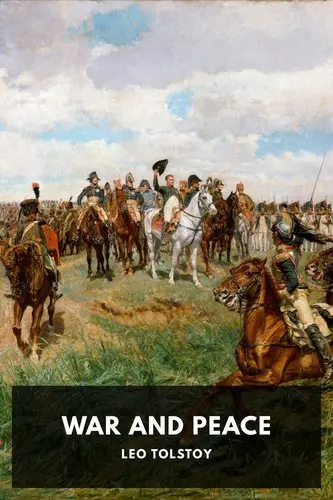
War and Peace
Decide its fate
The record
Time
An eveningA season1296 pages, about 26 hours: the length of 4.0 typical books on the shelf.
Getting in
Walk right inSteep climbOne reader reports losing interest partway through Volume One and not finishing it for over a month.
What it gives
Plot and actionIdeas to live byIn 10 reviews from critics and book blogs, 6 credit the plot and 7 credit the ideas or a change in how they live.
One of a kind
Others do thisNothing else doesA Substack readalong guide names Anna Karenina, also on the shelf at 838 pages, as the Tolstoy novel to read first.
The case for it
on closing the book
“But what then is the exclamation with which we close War and Peace? Not one of disappointment; we are not left lamenting the superficiality, upbraiding the triviality of the novelist’s art.”
Virginia Woolf · ‘Notes on an Elizabethan Play,’ The Common Reader, 1925 on the tone shifts
“Tolstoy shifts settings and timbres so effortlessly”
five stars · a book blog on Pierre’s philosophy
“he has such interesting thoughts about what it means to live a happy, fulfilling life.”
a book blog on Natasha growing up
“We see Natasha Rostov as a sprightly girl, then as a beautiful young debutante.”
a book blog
The case against
on the shape
“There may in its absence be life, incontestably, as The Newcomes has life, as Les Trois Mousquetaires, as Tolstoi’s Peace and War, have it; but what do such large, loose, baggy monsters, with their queer elements of the accidental and the arbitrary, artistically mean? We have heard it maintained, we well remember, that such things are ‘superior to art’; but we understand least of all what that may mean, and we look in vain for the artist, the divine explanatory genius, who will come to our aid and tell us.”
Henry James · Preface to The Tragic Muse, 1908 on the length
“why use one sentence when 20 pages will do”
a book blog on the epilogue
“hours upon hours reading what can ultimately be summarized as a rumination on free will”
a Substack review on the essays
“fictional text does not convince me of his argument and his essays even less so”
a Substack review