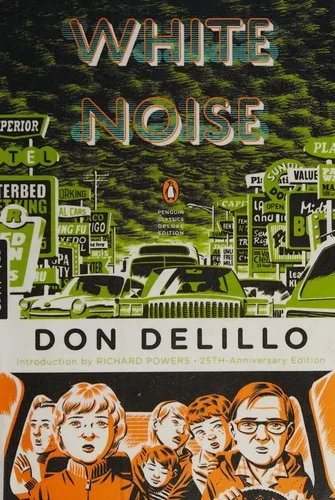
White Noise
Decide its fate
The record
Time
An eveningA season326 pages, about 7 hours: about the length of a typical book on the shelf.
Getting in
Walk right inSteep climbParents deliver students to campus in station wagons before the book turns to Jack Gladney’s household.
What it gives
Plot and actionIdeas to live byIn 15 reviews from critics and book blogs, none credit the plot and 12 credit the ideas or a change in how they live.
One of a kind
Others do thisNothing else doesA reader says Philip Roth and Jonathan Franzen handle the same material with more panache than DeLillo.
The case for it
on the humor
“DeLillo’s humour is totally deadpan”
a book blog on the children
“rendered children and adolescents in such a funny and rounded way.”
a Substack review on the atmosphere
“White Noise’s greatest joy, rendering the contemporary world humming and strange”
a book blog on its influence
“gave the end of the 20th Century and the beginning of the 21st its plot.”
five stars · a Substack review
The case against
on the children’s dialogue
“speak and act with the emotional and intellectual range of middle aged college professors”
a book blog on the latter half
“Plot-lite and meanders felt like a slog in the latter half.”
three stars · a book blog on the final section
“opting for flashy paranoia and sci-fi, relinquishing the naturalness of the family scenes”
Kirkus Reviews, 1984 on how it ages
“I agree with other readers that this book can’t age well”
a book blog