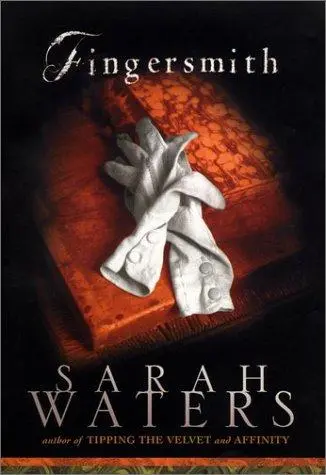
Fingersmith
A Victorian thriller that becomes a love story through the mechanics of betrayal. Sue and Maud's relationship begins as a con and becomes the most real thing either of them has ever experienced. Waters uses every twist to deepen rather than deflect the romance, producing a genuinely surprising love story in contemporary fiction.
The book's middle section draws the sharpest complaints: once the second narrator takes over and revisits scenes already shown, several readers call the stretch a drag, and at least one says flatly, “Maud's section of the book was too much for me.” Waters gets accused of overwriting throughout, with one reviewer complaining she “overwrites every single scene, always telling us far too much” and wasn't “willing to cut out writing she liked.” Some of the plotting reads as implausible too, with one reviewer comparing the coincidences and schemes to something “far-fetched as Harry Potter.” The secondary male characters come off thin, closer to pantomime villains than developed people, and the book's length draws its own complaints: more than one reader suggests it could lose a hundred pages without losing the story.
The case for it and the rest of the canon open with Pro.