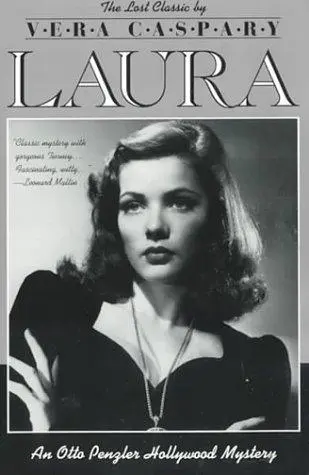
Laura
Decide its fate
The record
Time
An eveningA season237 pages, about 5 hours: three-quarters the length of a typical book on the shelf.
Getting in
Walk right inSteep climbTwo reviewers report resistance to Waldo Lydecker’s opening narration before the story moves to Mark McPherson.
What it gives
Plot and actionIdeas to live byIn 10 reviews from critics and book blogs, 3 credit the plot and 5 credit the ideas or a change in how they live.
One of a kind
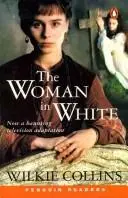
Others do thisNothing else doesSara Paretsky writes that Caspary outlined Wilkie Collins’s The Woman in White, on the shelf at 544 pages, to get at its structure.
The case for it
on the Manhattan setting
“an opportunity to vicariously experience in rich detail an upscale 1940s Manhattan of supper clubs”
Sara Paretsky · Women Crime Writers (Library of America), 2015 on Waldo Lydecker
“I found him a more fascinating character than Laura, to be honest.”
four stars · a book blog on the alternating narrators
“I enjoy stories with alternating narrators, and Vera Caspary handles that aspect very well.”
a book blog on the dialogue
“Many character dialogues in Laura are a gold-mine.”
five stars · a book blog
The case against
on Waldo Lydecker’s pomposity
“I wasn’t sure I was up for 200 pages of his self-conscious pomposity.”
a book blog on the narrators
“I got lost a few times working out who was narrating what.”
three stars · a book blog on Laura’s appeal
“Laura Hunt never convinces as someone anyone would give two hoots about”
a book blog on the narration
“what seems like a lack of confidence shows through repeatedly”
M.A. Orthofer · the complete review, 2018