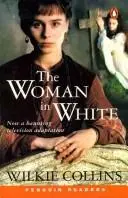
The Woman in White
Decide its fate
The record
Time
An eveningA season544 pages, about 11 hours: the length of 1.7 typical books on the shelf.
Getting in
Walk right inSteep climbWalter Hartright meets a distressed woman dressed in white on a midnight road.
What it gives
Plot and actionIdeas to live byIn 14 reviews from critics and book blogs, 11 credit the plot and 4 credit the ideas or a change in how they live.
One of a kind
Others do thisNothing else doesThree readers call Collins’s own Moonstone, on the shelf at 448 pages, the better novel; two call this one the stronger read.
The case for it
on the chapter endings
“each chapter or section was meant to leave the reader wanting more”
four stars · a book blog on multiple narrators
“the use of different narrators actually gave more facets to this story”
a book blog on the opening
“There is a great opening to the novel, where Walter Hartright, a young art teacher”
a book blog on Marian Halcombe
“she is a wonderful heroine, strong, intelligent, resourceful and utterly devoted to her sister”
a book blog
The case against
on the length
“at 500 pages, I think that it was 150 pages too long”
a book blog on Walter and Laura
“the rather gooey attraction between Walter and Laura”
a book blog on Laura Fairlie
“super pretty, incredibly passive, and dumb as a bag of hair”
a book blog on the lulls
“published today it may have been quite a bit shorter since there were many lulls”
a book blog