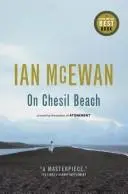
On Chesil Beach
A novella about a single terrible evening. A wedding night in 1962 where sexual inexperience and social convention destroy two people's love for each other. McEwan uses the historical moment with devastating precision; what he's really writing about is the love that was there, was real, and was lost to shame and silence. The final pages are extraordinary.
The most frequent knock against this one is length: many readers say two hundred pages of interior dread over one wedding night doesn't earn a stand-alone book, one asking outright “Surely this should have been a short story?” The anxious buildup before anything happens in the hotel room drags for some rather than building tension, and the misunderstanding that finally splits Edward and Florence apart strikes detractors as contrived, the kind of problem one honest conversation would have solved; one reader complains flatly “that's the entire freaking plotline of the book.” Michiko Kakutani's New York Times review called the plotting mechanical and the overall effect small rather than devastating. Another reader agrees the setup is thin, writing that “the story, the basic premise that holds it, is very contrived.” Some resent paying hardcover price for a read this short.
The case for it and the rest of the canon open with Pro.