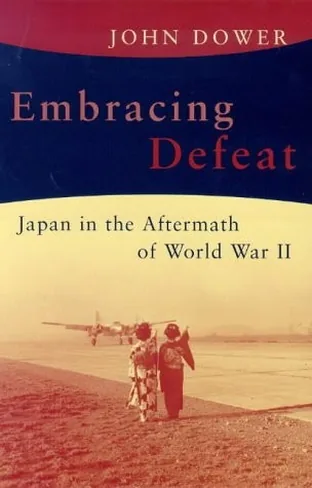
Embracing Defeat: Japan in the Wake of World War II
A history of Japan during the American occupation of 1945-1952, told largely from the Japanese side: how a defeated, starving society absorbed catastrophe and remade its politics, culture, and identity under foreign rule. It won the 1999 National Book Award and the 2000 Pulitzer Prize for General Nonfiction. Page count is for the standard W.W. Norton paperback (ISBN 9780393320275, 688 pages); the 1999 hardcover runs 676.
Six hundred eighty-eight pages, and the weighting is the problem: "Dower devotes twenty-seven pages to America's censorship of Japanese books, cartoons, and films. To me, that's a bit lopsided," one reader notes, while the economy gets a thin chapter. The long stretches on postwar novelists and pulp magazines are worse, "Dower's esoteric discussion of obscure Japanese writers and poets" losing anyone who came for the occupation and got literary criticism instead. Even admirers admit the material "gets stretched, 'like butter scraped over too much bread,'" which is how finishers end up trading survival tactics: "My strategy, when I bogged, was to skim, or put the book aside for awhile."
The case for it and the rest of the canon open with Pro.