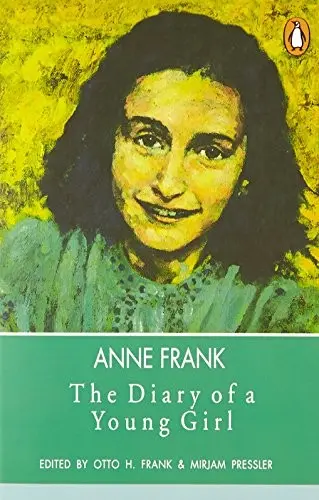
The Diary of a Young Girl
Anne Frank hid in a secret annex for two years and kept a diary. She was killed at Bergen-Belsen at 15. What she left behind is not just a document of the Holocaust but a record of a brilliant, vain, tender, furious adolescent mind, which is precisely what makes it unbearable and essential.
It is “a collection of diary writings,” not a story, and the most common complaint is that entries repeat and go plotless, one reader admitting “I can't bring myself to finish the book” on a third attempt. A vocal minority find the voice in places “trite, whiny and insular,” resenting petty squabbles where they expected historical scope. The entries stop rather than end, so a reader depends on the editor's afterword to know what happened. And the famous line about people being “really good at heart” gets leaned on so hard by editions and teachers that readers who know how the story goes find the framing “absurd in light of the story.”
The case for it and the rest of the canon open with Pro.