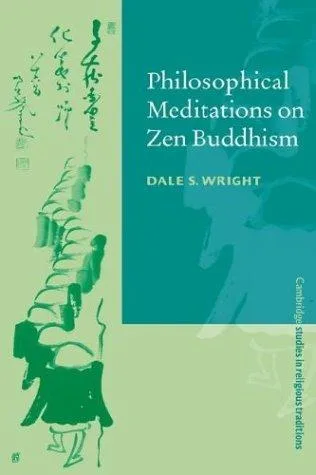
Philosophical Meditations on Zen Buddhism
Decide its fate
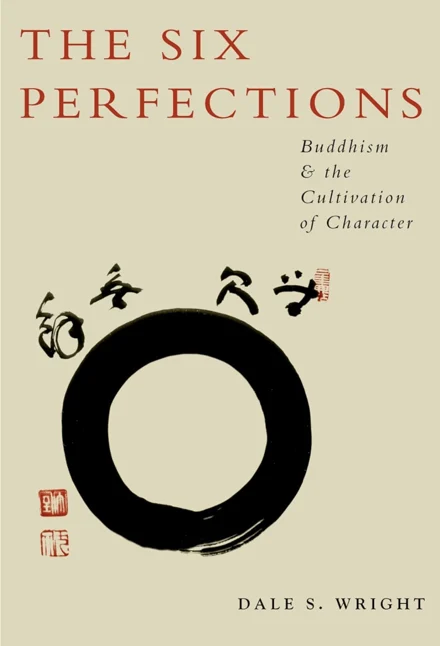
Wright takes one Tang dynasty master, Huang Po, and works through his recorded sayings essay by essay. Readers who paired it with Blofeld's translation say it “has de-romanticized John Blofeld's 1959 book on Huang Po,” functioning as the commentary volume that book never had. The register is the draw, “written in a more classical and practical style rather than the typical romantic and oratory style of most Zen literature,” and that shift “goes a long way to putting many mainstream western interpretations of zen in their proper romantic and modern contexts.” Scholars credit it with showing “how far Zen studies in America have moved ahead since the days of D. T. Suzuki and Alan Watts.”
It is a book about one text, not an introduction to Zen, and that narrowness decides most of who should read it. The central move, what critics sum up as “without Zen language, no Zen,” only registers if you already know the popular Suzuki and Watts tradition well enough to feel it being corrected, which most readers picking up a Zen book do not. The machinery is language, textuality and interpretation theory, dry going for anyone arriving for practice or inspiration rather than argument. One reader found the philosophy billing a mismatch for what the book actually does, and another, reading it strictly as a companion volume, said only that it “illuminated my book clubs reading of The Zen Teaching of Huang Po.” Cambridge academic series, priced and written accordingly.