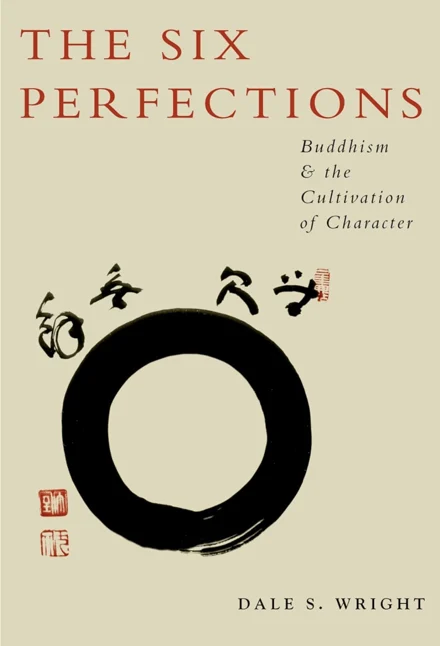
The Six Perfections
Decide its fate
Generosity, morality, patience, energy, meditation, wisdom: one chapter each, and readers call the first four “astonishing moments of insight throughout the whole text.” Wright works from the root texts themselves, the Diamond Sutra and Shantideva and the Perfection of Wisdom literature, rather than paraphrasing somebody else's paraphrase, and one reader who had sat with emptiness for years called the result simply the “best book I have read on the Six Perfections.” It reads as a philosophical treatment of character rather than pop Buddhism, praised elsewhere as “clear, lucid and very well thought out analysis,” and readers who compared it against Aitken Roshi's book on the same six rank this one higher. Readable, too, for a university press.
The meditation chapter is where readers with practice push back: one argues Wright treats dhyana as guided reflective thinking rather than describing what actually happens on the cushion, and calls it the point where “the wheels came off his cart.” He is a religious-studies professor rather than a teacher, so the book runs stronger on text than on instruction. The frame is entirely Mahayana, narrowing it for anyone arriving from Theravada or secular mindfulness. Even admirers call the language “sophisticated, nuanced and densely meaningful,” which cuts against anyone wanting something breezier. Negative reviews barely exist for this one, so the complaint side rests mostly on a single detailed dissent.