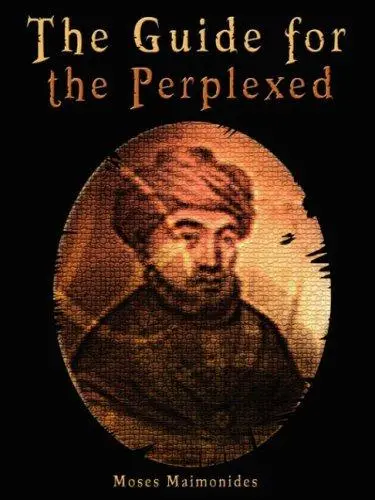
The Guide for the Perplexed
Decide its fate
The record
Time
An eveningA season480 pages, about 10 hours: the length of 1.5 typical books on the shelf.
Getting in
Walk right inSteep climbOne reviewer’s yeshiva study group thinned out during the word-by-word chapters on biblical terms that follow the introduction.
One of a kind
Others do thisNothing else doesOne reviewer compares its project to Thomas Aquinas and its idea of God to the One of Plotinus.
The case for it
on the ritual chapters
“I found this explanation remarkable, since it anticipates the modern, historical approach to religion”
three stars · a book blog on the hidden book
“The Guide is not one book but two, designed for two different readers.”
Rabbi Shnayor Burton · Jewish Action, 2024 on the personal asides
“the informalities, the personal asides, the flashes of polemic that so enliven the original”
J. J. Kimche · First Things, 2024 on allegorical reading
“Maimonides emphasizes the importance of interpreting religious texts allegorically”
a Substack review
The case against
on the opening chapters
“those first chapters took their toll on attendance”
Josh Frankel · The Lehrhaus, 2024 on the Aristotle prerequisite
“its daunting but necessary prerequisite knowledge of Aristotelian philosophy”
Daniel Korobkin · Tradition Online, 2021 on the Pines translation
“the Pines translation is stilted; it is also wordy and often nearly incomprehensible”
Menachem Kellner · Tradition Online, 2024 on the planted puzzles
“a penchant for philosophic puzzles, and readers today still debate how to solve them”
Warren Zev Harvey · Notre Dame Philosophical Reviews, 2024