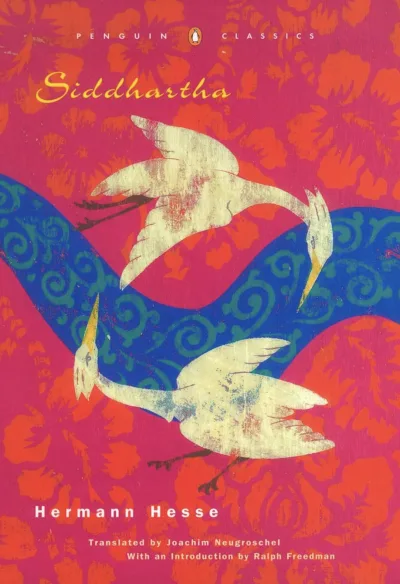
Siddhartha
Decide its fate
The record
Time
An eveningA season140 pages, about 3 hours: half the length of a typical book on the shelf.
Getting in
Walk right inSteep climbTwo readers report a slow start, one blaming the translation, before the book picks up once Kamala appears.
What it gives
Plot and actionIdeas to live byIn 13 reviews from critics and book blogs, one credits the plot and 11 credit the ideas or a change in how they live.
One of a kind
Others do thisNothing else doesOne blogger thinks of The Alchemist and The Monk Who Sold His Ferrari.
The case for it
on an old tale
“it feels like an old tale of ancient knowledge”
a book blog on the length
“It’s short, but most importantly I was hooked”
five stars · a book blog on the prose
“There is a lyrical quality to the prose which I find very soothing and appealing”
a book blog on noticing the world
“It’s an evergreen reminder of the pleasures and possibilities of paying attention to nature”
a book blog
The case against
on Siddhartha himself
“Siddhartha is a pompous and conceited ass at many points in the book”
a book blog on the first two acts
“not much happens beyond Siddhartha flailing around trying to figure out his life”
three stars · a book blog on young Siddhartha
“Siddhartha starts out a bit arrogant and annoying making him highly unrelatable”
a book blog on the translation
“a different translation could easily bump it up to five”
four stars · a book blog