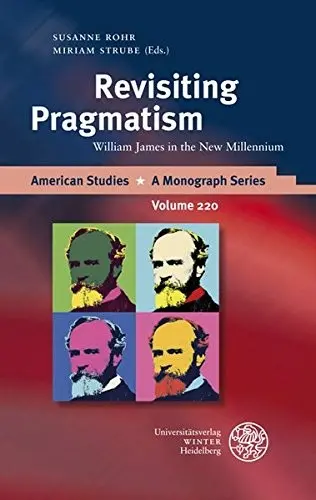
Pragmatism
Decide its fate
The record
Time
An eveningA season128 pages, about 3 hours: half the length of a typical book on the shelf.
Getting in
Walk right inSteep climbLecture One, The Present Dilemma in Philosophy, opens by framing a deadlock between rationalist and empiricist temperaments that the book sets out to mediate.
One of a kind
Others do thisNothing else doesRobert Talisse likens its prose to Henry James’s, and two reviews set it among fellow pragmatists Peirce and Dewey.
The case for it
on the prose
“James’s Pragmatism is a brilliantly written piece of philosophy”
Robert Talisse · Five Books, 2013 on James’s voice
“he himself adopts an irresistibly quotable pugnacious, playful individual literary voice”
four stars · a book blog on the account of pragmatism
“is perhaps the most illuminating and entertaining account of pragmatism ever composed”
Daniel Castaldy · EBSCO Research Starters, 2021 on the length and style
“It’s short, well-written, and easy to read”
a book blog
The case against
on Lecture VI
“it is also a very great howler”
Henry Aiken · Commentary, 1962 on the dated references
“it’s also safe to skip those parts”
a book blog on the conception of truth
“very difficult to formulate it in a way that makes it sound anything but silly”
Robert Talisse · Five Books, 2013 on room for curiosity
“is no room for the disinterested scholar or artist, someone merely curious, in his philosophy”
four stars · a book blog