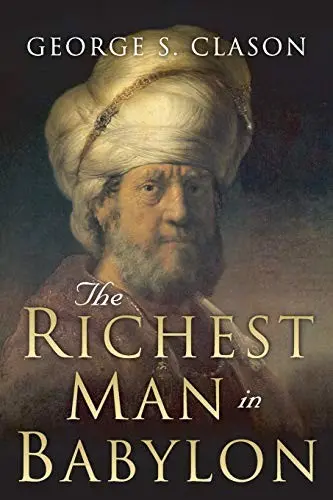
The Richest Man in Babylon
Parables set in ancient Babylon teaching foundational personal finance: pay yourself first, live below your means, make your money work for you. Nearly a century old and perfectly relevant because human nature hasn't changed. These are the pre-investing fundamentals, the stuff you need to master before you open a brokerage account.
Reviewers count roughly seven core ideas and say the parables just restate them chapter after chapter, one flatly noting “these seven basic ideas are repeated over and over.” The archaic dialogue does the rest of the damage: characters address each other in thee and thou, and more than one reader calls the result simply “horribly written and hard to follow.” Multiple reviews reduce the entire book to two or three sentences of advice and resent the padding it took to deliver them, one comparing the length to something else entirely: “as short as an average goodreads review.” Another dates it outright: “maybe would have been a good read in 1927.” The book skips modern financial complexity entirely: no debt, no credit, no consumer culture. Slavery shows up as unremarkable background in more than one parable, which several reviewers flag outright.
The case for it and the rest of the canon open with Pro.