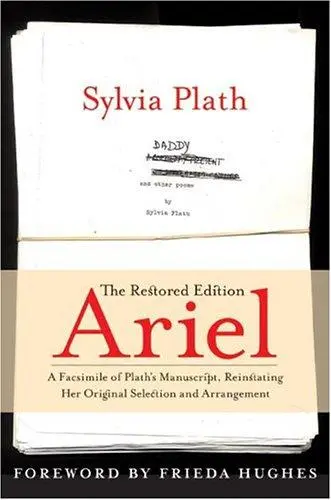
Ariel
Written in the months before Plath's suicide in the winter of 1962-63, Ariel is the most ferociously concentrated burst of poetic energy in American literary history. "Lady Lazarus," "Daddy," "Edge," "Tulips": they arrive like transmissions from a consciousness stripped of all protection, every poem a high-wire act between vision and annihilation. The collection is simultaneously feminist rage, psychological document, and pure formal brilliance.
Readers who arrive from The Bell Jar often report the poems don't move them the same way, one admitting the collection is “kind of a drip. I'm not a fan” even while wanting to like it. A common pattern: a reader gets partway through, one account stopping at “got 52% of the way through and gave up,” describing the feeling as missing something the book assumes they already have. Specific poems go nearly opaque without outside context, Medusa especially, which needs prior knowledge of Plath's relationship with her mother to land at all. A blunt minority reject the voice outright with no further engagement, one flatly stating the poems “don't do anything emotionally or linguistically” for them, and several say tackling the book in one sitting is overwhelming, working only once they slow to a handful of poems reread rather than a straight cover-to-cover pass.
The case for it and the rest of the canon open with Pro.