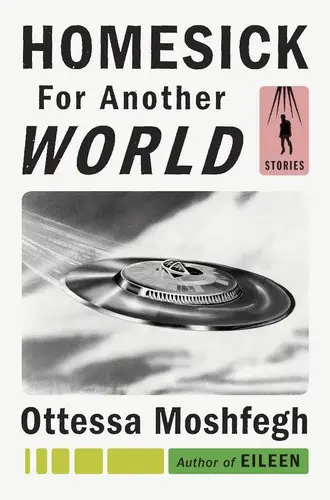
Homesick for Another World
Misfits, addicts, loners. Moshfegh is merciless and somehow still compassionate.
Nearly every story in Homesick for Another World cuts off at a moment of tension rather than resolving, and after fourteen entries in a row that reads as a tic to some rather than a choice; even admiring reviewers call it “mostly marvels, but none of them are marvels of plot.” The flat, bleak tone can flatten further by the back half, and because so many protagonists are lonely and self-sabotaging in similar ways, the cast starts to blur together, one critic summing it up as “lonely, frustrated, deluded, confused and self-destructive.” A few readers argue the short-story format makes Moshfegh's worst people land harder than in her novels, with no room to contextualize the bad behavior. The final story breaks from the collection's mood, and one critic still calls the ugliness on the page “just as I'd always hoped it to be.”
The case for it and the rest of the canon open with Pro.