The White Album
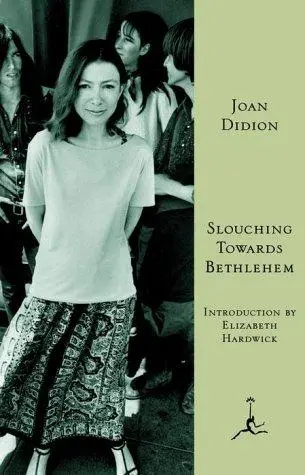
"We tell ourselves stories in order to live." The opening line of the title essay is the most quoted sentence in American nonfiction. Didion chronicled the collapse of the '60s with a cold eye and a prose style that made the chaos feel formal. The New Journalism at its most literary.
Name-dropping draws the sharpest complaint here, movie stars, criminals, the wealthy, plus the specific boutiques and restaurants she frequents. One reviewer just states it: “The book is page after page of name-dropping,” pointing to passages about “the boutiques where she shops, the expensive restaurants where she eats.” Critics read her famous detachment as privilege wearing a press badge, a wealthy Californian free to be “a rich outsider, who rejoices in being snarky about everyone else,” snide about the Black Panthers and the women’s movement from a position of total insulation. The Women’s Movement essay is the flashpoint: some find it a cool dissection of movement rhetoric, others call it dismissive. She also “over-intellectualizes the mundane,” turning a freeway carpool lane into strained significance, and unlike her first collection, no single piece here dominates reader memory the way its predecessor’s did.
The case for it and the rest of the canon open with Pro.