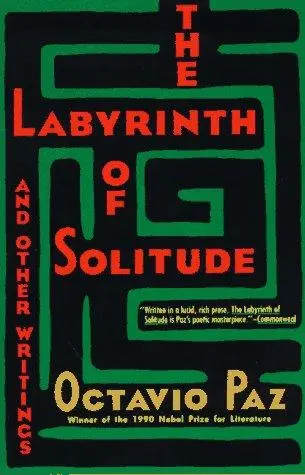
The Labyrinth of Solitude
The definitive essay on Mexican identity and the meaning of solitude, myth, and mask in Latin American culture. A Nobel laureate's most essential book. Essays as national self-examination.
A book that claims to explain the ordinary Mexican was written, on more than one reader’s account, for nobody ordinary. One reader says flatly Paz “wrote this for educated people with intelecto,” and the vocabulary shuts out the very reader the book claims to speak for. Non-Mexican readers report getting lost in Aztec cosmology and twentieth-century political references the text assumes rather than explains. The two middle historical essays, covering Independence through the Revolution and the Mexican intelligentsia, are the ones readers most often admit to skimming, thinner than the cultural essays around them. One reviewer says the book gets “tangled into a confused knot never unwound” by the end, and another reports the whole thing “weakened the further it progressed.” The La Malinche chapter draws its own separate charge: Mexican women reduced there to a single figure of violation.
The case for it and the rest of the canon open with Pro.