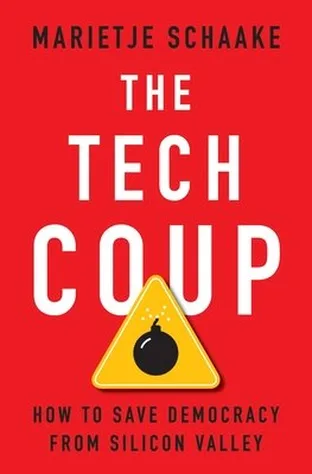
The Tech Coup: How to Save Democracy from Silicon Valley
Decide its fate
She has watched the machinery fail in person: one reader recalls she "led the European team observing the 2017 elections in Kenya," an election wrecked by a French company's voting system. She knows "the difference between a server and a waiter," an admirer notes, which no one could say of the senators in her line from the 2018 Zuckerberg hearing: "Few in the Senate seemed capable of logging into Facebook." And where other tech critiques trail off into regulate-somehow, she names four markets to ban or license outright, "commercial spyware, data brokerage, facial recognition technologies, and crypto-currencies," then tells governments to build public infrastructure the way the internet itself began, as a public project. A technologist who opened the book expecting another anti-tech sermon closed it persuaded.
Seven chapters of diagnosis against one of fixes, and the diagnosis is a rerun: Pegasus, Cambridge Analytica, Starlink, news only "unless you haven't been paying attention the last ten years." The fixes lean on the same top-down regulatory thinking that has already failed to keep pace with this industry, and the whole edifice rests on one line from page 92: "Everything can be regulated, as long as there is the political will." Which begs the only question that matters. She offers "little advice on how to muster political will" in a country where lobbying money already shapes the very lawmakers she is counting on. A reader assigned the book for a policy course concluded "the proposed reforms are incoherent," treating spyware and social feeds as one undifferentiated menace.