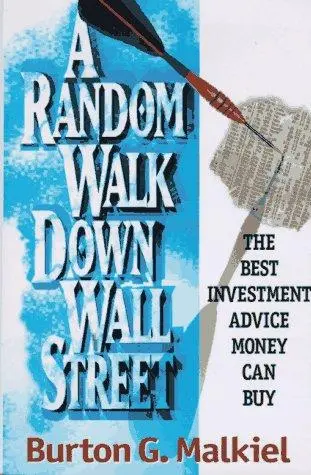
A Random Walk Down Wall Street
The academic case for market efficiency: stock prices reflect all available information, and consistent outperformance through stock-picking is essentially impossible. Malkiel surveys bubbles, technical analysis, fundamental analysis, and modern portfolio theory with the confidence of a man who has data on his side. Required reading in every MBA program, and the intellectual basis for index investing.
The middle chapters settle into a rhythm readers find grinding: a school of thought gets laid out, then methodically knocked down, cycled through school after school until it reads like padding. One reviewer complains the book “immediately back pedals & delves into another story from history,” finding the cycle infuriating well before it lets up. A sharper complaint is that Malkiel stacks the deck for his own efficient-market theory rather than testing it fairly, with one reader arguing “you should always test the opposite of what your theory stipulates.” Critics of the thesis itself point out that “quantitative hedge funds demonstrate pattern recognition works in the real world,” undercutting the book’s core claim. Some call the whole project “a repackaged version of the same garbage investment firms have fed” clients for decades, and note the concrete buy-this advice is buried until the very end.
The case for it and the rest of the canon open with Pro.