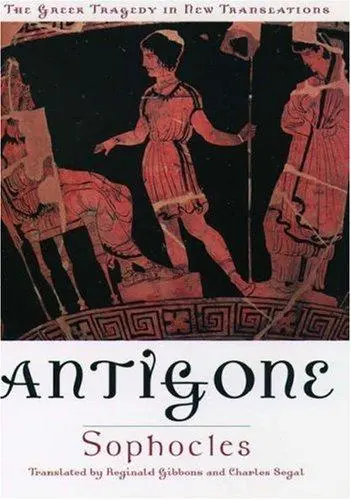
Antigone
A young woman defies the state to bury her brother and pays with her life. Sophocles staged the collision between personal conscience and political authority so cleanly that every generation since has used the play to argue about civil disobedience. Hegel considered it the perfect tragedy.
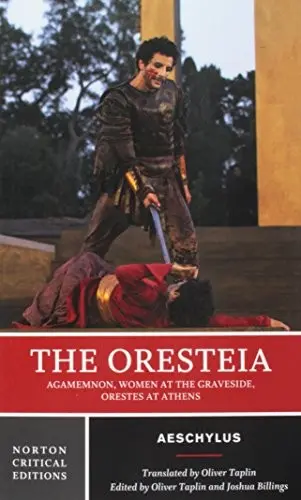
Antigone hands out no clean hero or villain, and that ambiguity frustrates plenty of readers rather than illuminating anything for them: “Every single character is characterized in a remarkably ambiguous way,” one complains, wanting a plainer moral. A sharper version of the complaint says Sophocles undercuts his own heroine, since he “weakens Antigone’s position by characterizing her as imbalanced and unnatural” instead of simply righteous. Readers who land on the Norton Critical edition hoping for help say the apparatus offers “not much of a resource for learning about the play,” and anyone without background on the House of Thebes needs outside context to track who everyone is and why the burial matters. The same Chorus odes admirers praise get called slow and dense by others, who admit skimming past them, and a few readers wish the brevity had left more room for Ismene and Haemon before the ending arrives.
The case for it and the rest of the canon open with Pro.