The Playboy of the Western World
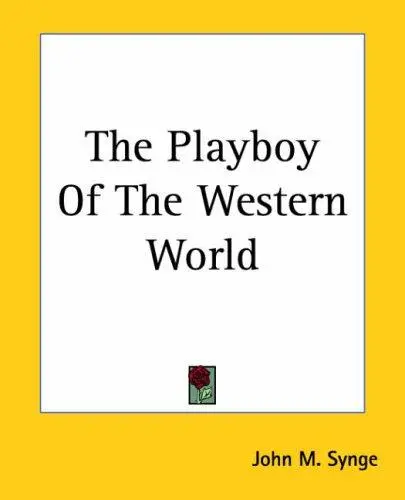
A young man arrives in a Mayo village claiming he killed his father, and the locals treat him as a hero. Synge's comedy provoked riots at the Abbey Theatre because Irish nationalists thought it insulted Ireland. Yeats stood on stage and defended it. The riots are now more famous than the play, which is a shame, because the play is brilliant.
A recurring two-star complaint has nothing to do with Synge specifically: readers mark it down for the medium, admitting outright “I don't enjoy reading plays.” Others find the three-act structure repetitive, arguing the false-patricide premise gets dragged out past its welcome, and without stage directions or a narrator some report losing track of tone shifts entirely, character reactions feeling unmotivated on the page. A handful are put off by the moral center itself, a community celebrating a supposed killing, finding it more distasteful than funny. Even sympathetic stage reviews flag pacing problems in specific productions, one critic calling the first half “stilted” before the play finds its footing, another finding a sparser staging closer to “a rather drowsy reverie” than a comedy.
The case for it and the rest of the canon open with Pro.